




The Commercial Side of Voice Assistants

OFF ZOO

OFF ZOO

The Commercial Side of Voice Assistants

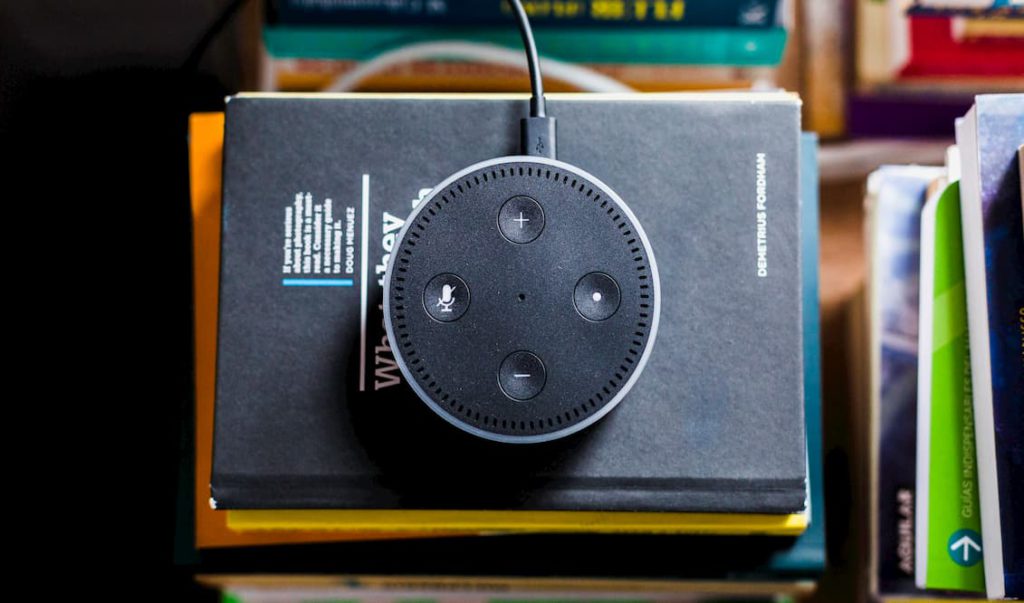
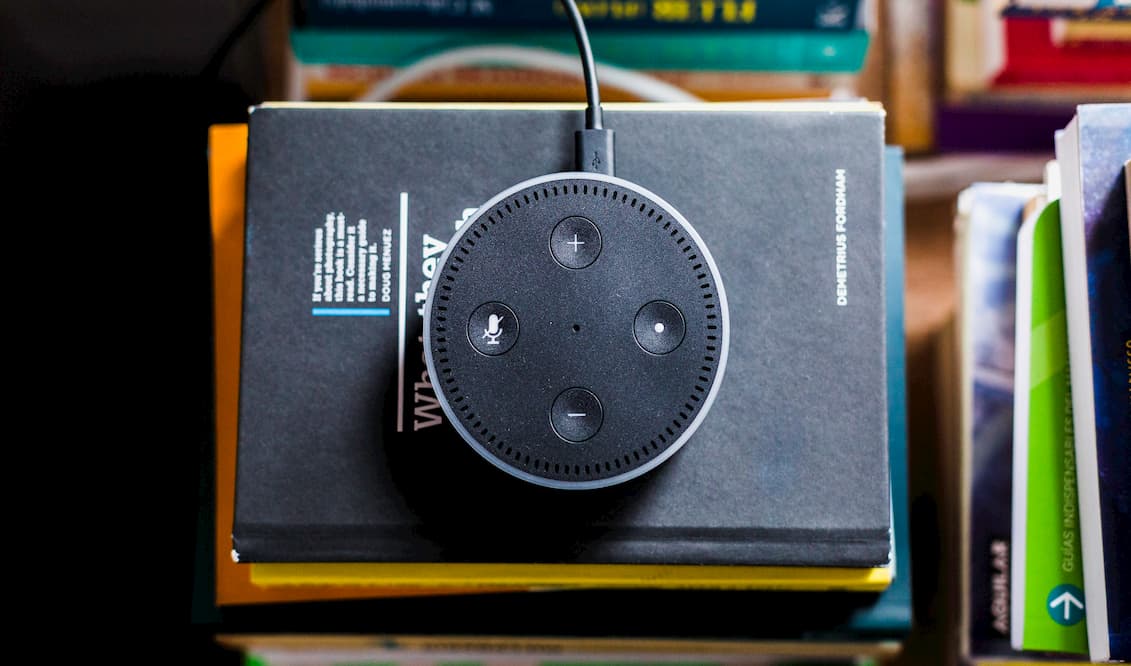
Voice assistants are growing up at their homes, which parasites. No matter how much the guest’s name is Amazon Alexa, Mircrosoft Cortano or Google Assistant, because but one, it’s gonna be another that’s soon to be established in the living room. They recognize the voice, location and even the context in which each user interacts with these devices. They also have the capacity to store data, so each user receives responses commensurate with his or her experience throughout his or her coexistence. A new range of opportunities for businesses and advertisers to take advantage of this big data and offer every user more and more segmented advertising offers. Large companies at global level have already tested and integrated these new tools into their commercial strategies. They have seen them as an opportunity to improve their communication with their customers. Or so, an excellent opportunity to fully monitor their consumers’ purchase experiences. Voice assistants lead the client to the search result that these intelligent devices consider “ideal” for them. Thus, avoid users passing through the endless pages that are submitted to them by manually typing their searches. Another benefit for businesses is to prevent a user from getting lost at browsing an unusable website and end up going to another competition. To more segmented and guided offers, more conversion percentage by users. Monoprix has created a voice application, connected to your customers’ loyalty card. Through this app, users of the French retail chain can draw up their own list of phone purchase and place custom orders. Another French brand such as Sephora has created another vocal recognition application for its customers. A app that offers them the opportunity to participate in draws, make appointments at their physical stores, or listen to podcasts of influential people who work with the brand. Walmart with Google, Whole Foods with Amazon, or Domino’s pizza and pizza hut with Alexa, are some of the first alliances, between some of the most influential brands of the commercial sector and producers of these voice assistants. Millions agreements all of them have been agreed with the final aim of achieving an increase of each company’s conversion ratio.

Abel González Department of Marketing

FAQ’s

About the blog and its content

Topics, editorial standards and publishing frequency.

The blog is organised into four areas: web design and development, search visibility (SEO, local SEO and GEO), artificial intelligence applied to business, and digital marketing and content. The current priority is AI for business, because that is where search demand is growing fastest: searches related to AI automation have multiplied twentyfold in Spain over the past year, while the sector’s classic vocabulary is falling.

We publish on a regular schedule, prioritising depth over volume. We would rather publish one well-researched article a month, with our own perspective and real examples, than four superficial ones. Content on fast-moving technical topics (AI, Google algorithm changes) is reviewed and updated periodically rather than left to age.

Articles are written and signed by the Creactivitat team. AI tools are used as support for specific tasks — research, data analysis, proofreading — but the judgement, the experience from real projects and the conclusions come from the team. This distinction matters: Google rewards demonstrable experience (E-E-A-T), and readers quickly spot mass-generated content with no real thinking behind it.

Every article shows its publication date and, where it has been revised, the date it was last updated. In a sector where the rules change every few months — especially anything involving AI search engines — an undated article is a warning sign. If you spot something out of date, let us know and we will review it.

Yes. Many articles come from real questions raised by clients or readers. You can send us your suggestion through the contact page. If the question is specific and comes up often, it will likely become an article or a Help Centre entry.

How to use the blog

Navigation, subscribing and reusing content.

The blog is organised by topic categories, not just by date, so you can go straight to the area you need: web design, search visibility, artificial intelligence or digital marketing. If you are looking for a quick, practical answer, the Creactivitat Help Centre is usually faster, because it is structured as questions and answers.

The Help Centre answers specific questions briefly and directly (what SEO is, how a web project works, what GEO is). The blog develops topics in depth: analysis, real cases, industry shifts and informed opinion. If you want a quick answer, go to the Help Centre; if you want to understand a topic thoroughly, go to the blog.

Yes, you may quote and link to our articles as long as you credit the source and link to the original. What is not permitted is reproducing full content on another website without authorisation. If you would like to reuse content for a professional or educational publication, get in touch and we will discuss it.

You can follow new publications through the agency’s social channels and the updates announced on the website itself. If you would like to be notified about new content, let us know through the contact page.

The Creactivitat website works in Catalan, Spanish and English. Core content is available in all three languages; some highly specific articles may be published in one language first and translated later. The agency regularly works in Catalan, Spanish, English, French and Italian.